Choosing an Air Balloon Experience Around Pg. de Gràcia in Eixample
Choosing an air balloon Barcelona experience starts with a simple shift in thinking: decide what kind of outing you actually want before comparing names. Around Pg. de Gràcia in Eixample, the city setting shapes the whole decision. This is a dense urban area, so the practical questions are less about spotting a balloon on a street and more about where a flight begins, how participants get there, and what the day looks like from start to finish.
A good choice depends on your priorities. Some people want a calm, scenic ride with time to take photographs. Others care most about clear rules, straightforward communication, and a plan that still works if the weather turns. Work through the decision in order, and check each point before moving to the next.
Decide what you mean by an air balloon outing
First, separate a passenger flight from other balloon-related activities. A hot air balloon flight is usually a planned outdoor activity with a meeting point, a launch site, and a landing procedure that depends on conditions on the day. It is not the same as visiting a shop, seeing a display balloon, or booking something tied to a festival. Being clear on this saves time, because the questions you ask and the details you confirm will be different.
Think about the kind of experience you want from the basket. If you are hoping for wide views, ask where the launch area is and how much time is spent upright at altitude. If you are nervous about height, ask about the pace of the flight and what the landing usually feels like. The envelope, burner, and basket are central parts of the aircraft, but a passenger does not need technical detail to make a sensible choice. What matters is whether the operator explains the basics in plain language and sets expectations before the day.
Set your route and timing around Eixample
Next, decide how much travel you are willing to accept. Pg. de Gràcia sits in a central part of Barcelona, with busy streets, metro access, and limited space for large outdoor assemblies. Balloon flights generally need open ground, so the meeting point may not be beside the address you are researching. Confirm where participants should arrive, how to get there, and whether the return from the landing area is included or arranged separately.
Timing matters just as much as distance. Urban traffic can make a short journey slower than it looks on a map, especially near major roads and during peak hours. Allow a buffer before the stated meeting time. If you are coming from elsewhere in the city, check the nearest metro or bus options and keep a route in mind in case you need to change plans at short notice.
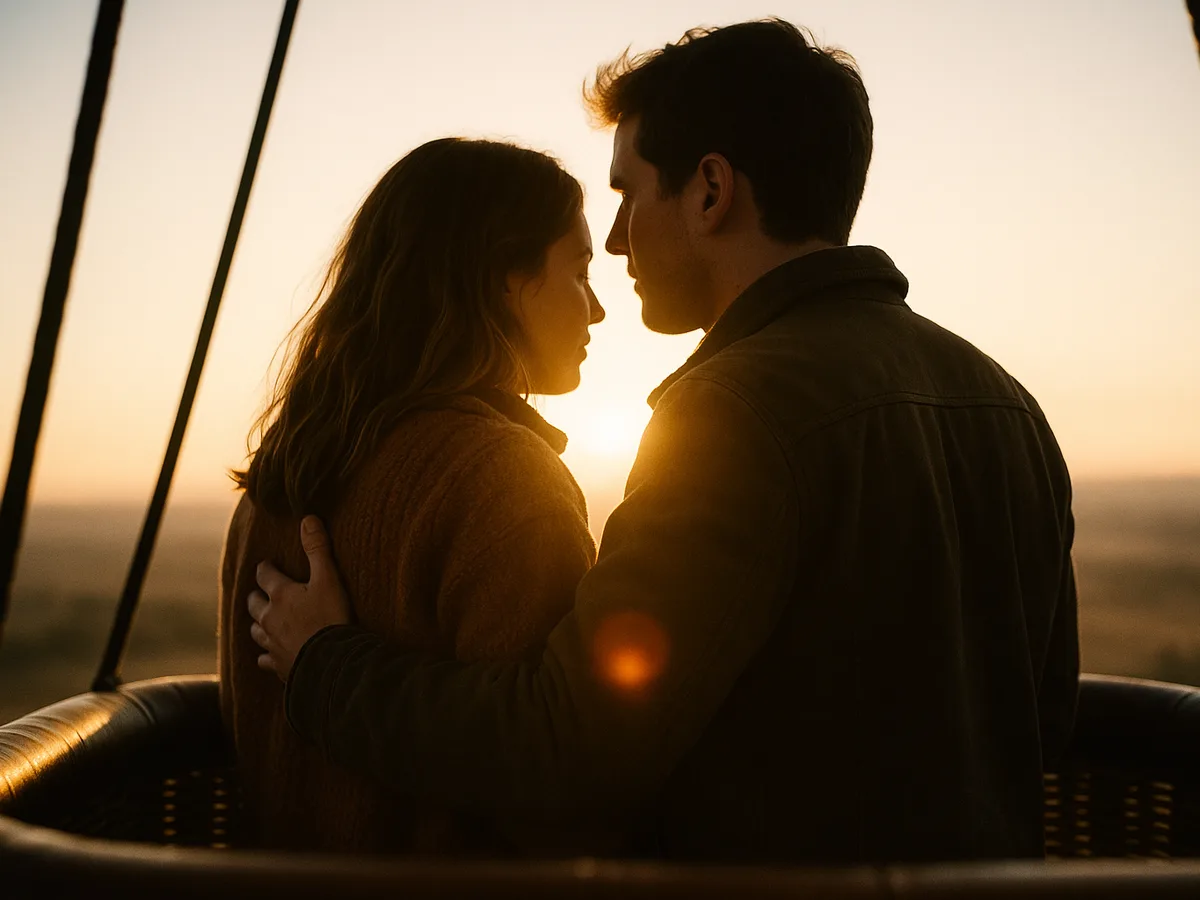
Weather is part of the plan, not an afterthought. Wind, rain, and poor visibility can affect launch decisions and navigation. Ask how changes are communicated and what options exist if the flight cannot proceed. A clear policy is more useful than a vague promise, because it tells you what to expect when conditions shift.
Compare the type of flight, not just the headline
Once you know your practical limits, compare what different flights include at a high level. Look at the length of the experience from arrival to departure, the size of the group, and whether the route is described as a set path or shaped by wind on the day. Balloon movement depends heavily on wind layers, so a route that sounds precise in writing may be flexible in practice.
Ask whether the flight is private or shared. A private basket can feel calmer and gives more room for photographs, while a shared flight may suit a lower budget and a more social atmosphere. Neither choice is automatically better. The right one depends on how you handle close quarters, how much space you want for a camera, and whether you prefer a quiet ride or a livelier group.
Pay attention to the language used to describe altitude. A flight may be low enough to see streets and rooftops clearly, or high enough to take in a wider stretch of landscape. Both can be worthwhile, but they offer different views. If the view is the main reason you are booking, ask what participants can reasonably expect rather than assuming that every flight follows the same pattern.
Check safety basics without trying to inspect the aircraft yourself
Safety checks should be about process and transparency. Ask who is in charge on the day, how the pilot explains the briefing, and what participants are told before boarding. A well-run activity makes time for instructions about standing in the basket, holding onto the rigging, and what to do during landing. The burner can be noisy and the basket can move suddenly, so clear briefing matters.
Do not try to assess technical systems yourself. Propane fuel equipment, the burner assembly, and pressurised components belong to trained professionals. If something seems wrong, such as a strong smell of fuel, damaged equipment, or unclear instructions, raise it before boarding and follow the direction of the responsible crew. Any repair or adjustment to fuel systems or safety components is a job for a qualified professional, not a passenger or a casual helper.
It is also sensible to ask about insurance, licensing, and pilot experience in general terms. These are normal questions for an outdoor activity and should not feel awkward. A clear answer helps you judge whether the operation is organised and accountable. Avoid choosing only on the basis of the lowest headline price, since the overall standard of planning can differ.
Read the meeting details carefully
The best flight can still feel stressful if the meeting arrangements are unclear. Read the confirmation from start to finish and look for the exact meeting point, the time you should arrive, what to bring, and what happens after landing. If any of these are missing, ask before the day rather than relying on guesswork.

Clothing deserves a little thought. Ballooning happens outdoors, often around sunrise or late in the day, when temperatures can feel different from the middle of the afternoon. Wear layers that allow you to adjust, and choose footwear suitable for uneven ground. A camera strap or phone lanyard can help, but loose items should be secured so they do not fall from the basket. Hats can be useful in sun, yet should not be so loose that a gust creates a problem.
Mobility is another practical point. Boarding a basket may require a step or some balance, and landing areas can be uneven. If you have limited mobility, or if you are booking for someone who does, ask about access before committing. The answer can affect both comfort and safety.
Ask how the day is managed from launch to landing
A useful comparison point is the shape of the whole day. Some activities focus tightly on the flight itself, while others include transfer elements or time at the launch and landing areas. Ask what happens if the group is split between vehicles, how the pilot communicates during the flight, and who gives instructions once the balloon is near the ground. Landing procedure is not a minor detail. It is the part where passengers need to listen closely and follow directions.
Navigation also shapes the experience. Balloons move with the wind, so the crew follows conditions rather than driving a fixed route. That is part of the appeal, but it also means the landing site can vary. Confirm how participants get back to a practical point in the city after the flight, and whether that arrangement is included. If you have a later commitment in Eixample, keep enough spare time in the schedule.
One local option is Hot Air Balloon Barcelona. Treat that as a starting point for comparison, then apply the same questions to any other local option you are considering. The aim is not to collect names, but to see which choice gives you clear answers on timing, meeting arrangements, safety communication, and conditions.
Compare value with the details in front of you
Value is more than a headline figure. Look at what is included, how long the whole experience takes, and whether transport back from the landing area is part of the arrangement. Check cancellation and weather policies, because these can matter more than small differences in presentation. A slightly higher option may be easier to recommend if it reduces uncertainty and gives clearer instructions.
Reading recent feedback can help, as long as it is done with care. Look for repeated comments about organisation, meeting points, communication, and how changes were handled. A single emotional review is less useful than a pattern across several accounts. Also remember that outdoor activities are exposed to weather, so two people can have very different days.
When you narrow the choice to a shortlist, contact each one with the same set of questions. Ask about the meeting point near Pg. de Gràcia, the flight conditions, group size, what to bring, and the return after landing. Keep the wording simple so the answers are easy to compare. If an answer is vague, ask once more before paying any deposit.

Make the final decision with a clear head
By this stage, the decision should be practical rather than impulsive. Pick the option that gives you the clearest plan, the safest-looking process, and the best fit with your schedule. A balloon flight is an outdoor activity, so flexibility is part of the experience. If the weather or logistics do not line up, waiting for another day is often better than forcing a poor fit.
Before you confirm, check that every detail is in writing: arrival time, meeting point, what happens in poor weather, what is included, and how you get back afterwards. Confirm any missing details with whichever business you choose, since hours, appointment rules, charges, and specific arrangements should be checked directly. Once those points are settled, you can look forward to the flight with fewer surprises and a much better sense of what the day will involve.
Hot Air Balloon Barcelona is listed at Pg. de Gràcia, 70, Eixample, 08007 Barcelona, Spain, and the phone number is +34 632 93 79 41.